
Discover how AI and modern technology are transforming communication, healthcare, education, business, shopping, and daily life. Learn the benefits, risks, and future of artificial intelligence.
Artificial intelligence is no longer a futuristic concept seen only in movies. Today, AI has become an important part of modern technology and is changing everyday life in ways many people do not even notice. From smartphones and online shopping to healthcare and education, AI-powered technology is helping people work faster, communicate better, and make smarter decisions.
Around the world, businesses, schools, hospitals, and households are adopting artificial intelligence to improve efficiency and convenience. Voice assistants answer questions instantly, recommendation systems suggest movies and products, and smart applications help people manage their daily tasks more effectively.
At the same time, AI technology also raises concerns about privacy, job changes, misinformation, and overdependence on digital systems. Understanding both the advantages and disadvantages of AI is important for anyone living in today’s technology-driven world.
This article explores how AI is changing everyday life, the industries it impacts most, the benefits and challenges it creates, and what the future may look like as technology continues to evolve.
How AI Is Transforming Communication Technology
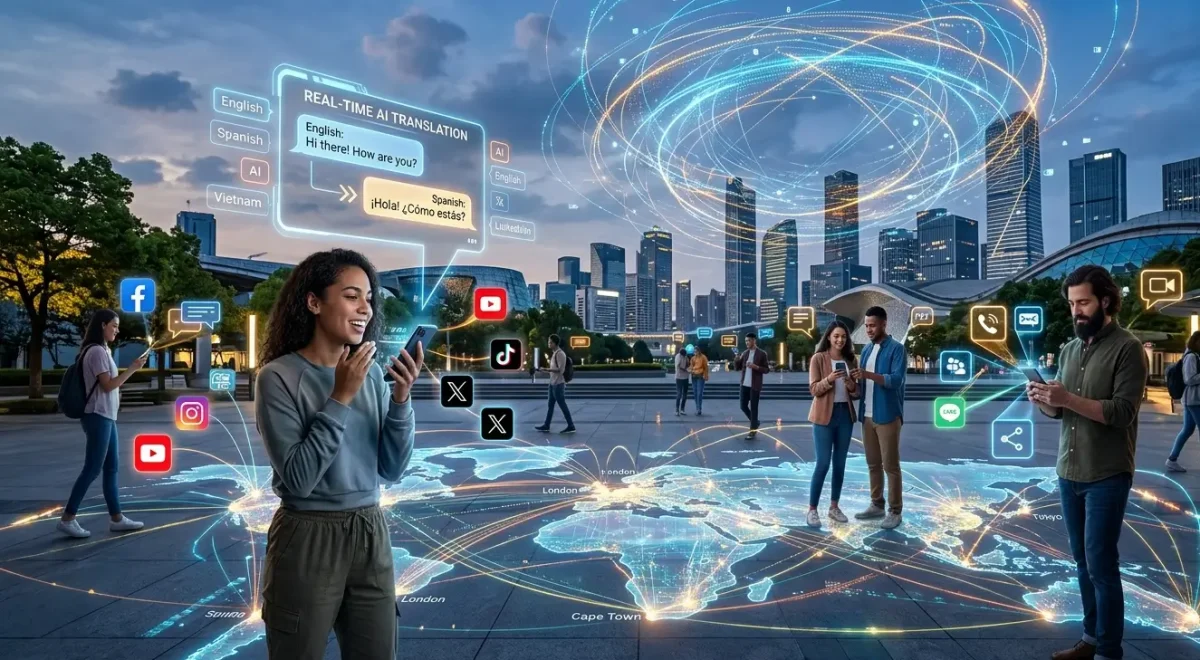
Communication technology has improved dramatically because of artificial intelligence. People can now connect instantly through smart messaging apps, voice assistants, and translation tools.
AI-powered chatbots help businesses answer customer questions 24 hours a day. Virtual assistants such as Siri and Google Assistant can send messages, set reminders, and provide information within seconds.
Real-time translation technology is also breaking language barriers. People from different countries can communicate more easily using AI translation tools. This has improved international business, travel, and education.
Social media platforms also use AI technology to personalize content based on user interests. While this can improve user experience, it may also increase screen time and digital addiction.
AI Technology in Education
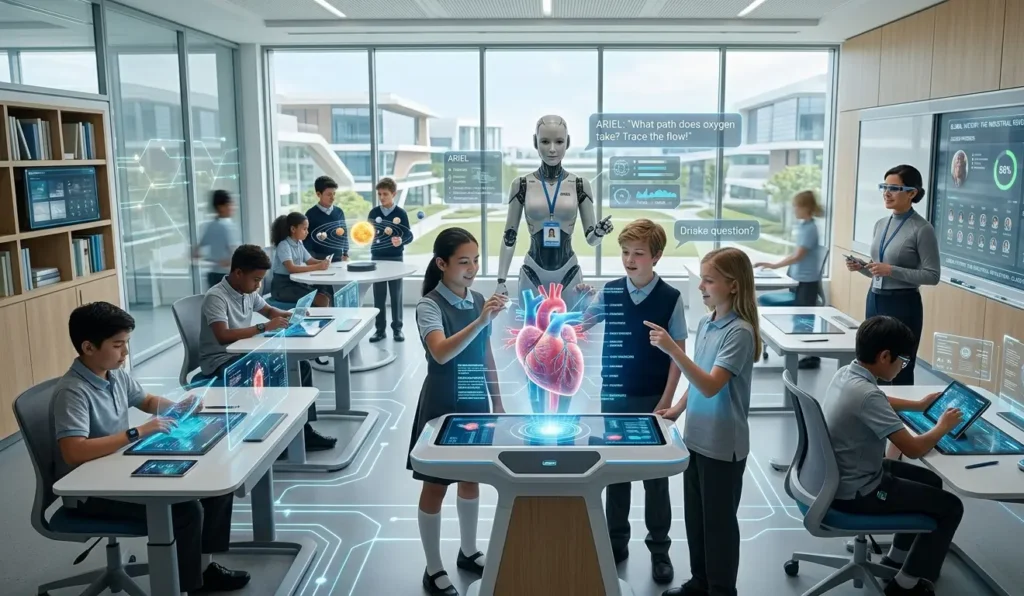
Artificial intelligence is changing how students learn and how teachers teach. Online learning platforms now use AI to personalize lessons based on a student’s learning speed and performance.
Students can access smart tutoring systems that provide instant feedback and customized practice exercises. AI tools also help teachers automate grading and identify areas where students may need extra support.
Technology has made education more accessible to people around the world. Students can attend virtual classes, use language-learning applications, and access educational content from almost anywhere.
However, excessive dependence on AI tools may reduce critical thinking skills if students rely entirely on technology instead of developing independent learning habits.
The Impact of AI on Healthcare Technology
Healthcare technology has experienced major improvements because of AI. Hospitals and clinics now use artificial intelligence to assist doctors in diagnosing diseases more accurately and quickly.
AI systems can analyze medical images, monitor patient conditions, and predict health risks based on data patterns. Wearable devices such as smartwatches also help people track their heart rate, sleep quality, and physical activity.
Technology has improved telemedicine services, allowing patients to consult doctors remotely through video calls and health apps. This is especially useful for people living in rural or underserved areas.
AI also helps researchers develop new medicines and treatments faster than traditional methods. Despite these benefits, privacy concerns remain important because healthcare systems store large amounts of personal medical data.
AI in Transportation and Travel
Transportation technology is becoming smarter through artificial intelligence. Navigation apps use AI to analyze traffic patterns and suggest the fastest routes.
Ride-sharing applications use AI systems to match drivers with passengers efficiently. Some companies are also developing self-driving vehicles that rely heavily on machine learning and sensors.
Airports use facial recognition technology to improve security and reduce waiting times. AI is also helping airlines predict maintenance issues before they become serious problems.
Although AI improves convenience and safety, there are concerns about job losses in transportation industries as automation increases.
How AI Is Changing Business Operations
Businesses around the world are using AI technology to improve productivity and customer experience. Companies analyze customer behavior using AI-powered data systems to understand trends and improve marketing strategies.
Automation tools help businesses complete repetitive tasks faster, reducing human workload. Customer support chatbots save time and allow companies to provide instant assistance.
AI technology also helps small businesses compete more effectively by offering affordable digital tools for advertising, accounting, and communication.
However, businesses must use AI responsibly. Over-automation may reduce human interaction and create ethical concerns related to data privacy and employment.
AI Technology in Entertainment
Entertainment technology has changed significantly because of artificial intelligence. Streaming platforms recommend movies, music, and TV shows based on viewing habits.
Video game developers use AI to create smarter and more realistic characters. Social media filters and photo-editing tools also rely on artificial intelligence.
Content creators use AI technology to edit videos, generate subtitles, and improve production quality. This allows creators to produce content more efficiently.
On the negative side, AI-generated misinformation and deepfake videos can spread false information quickly. Responsible use of entertainment technology is becoming increasingly important.
Smart Shopping and E-Commerce Technology
Online shopping has become more personalized because of AI technology. E-commerce websites analyze customer behavior to recommend products based on browsing history and preferences.
AI-powered customer support systems help answer questions instantly and improve user experience. Some online stores use virtual fitting rooms that allow customers to see how clothes or products may look before purchasing.
Technology has also improved payment security by detecting suspicious activities and reducing fraud risks.
Despite these advantages, targeted advertising may sometimes feel intrusive, especially when companies collect large amounts of personal data.
Smart Homes and Daily Convenience
Modern homes are becoming smarter with AI-powered technology. Smart speakers, security cameras, lighting systems, and appliances can now respond to voice commands and automate household tasks.
People can control home devices remotely using smartphones, improving convenience and energy efficiency. Smart thermostats can adjust room temperature automatically to save electricity.
AI-powered security systems help detect unusual activities and provide real-time alerts to homeowners.
However, connected devices may increase cybersecurity risks if systems are not properly protected.
AI and Workplace Productivity
Artificial intelligence is helping employees work more efficiently. Productivity tools can organize schedules, automate emails, summarize documents, and assist with project management.
Remote work technology has also improved communication between teams located in different countries. AI-powered meeting tools can generate notes and translations automatically.
Many professionals use AI to assist with writing, research, and data analysis. This saves time and allows workers to focus on creative and strategic tasks.
Still, some workers worry about automation replacing certain jobs. Learning new digital skills is becoming essential in today’s technology-focused economy.
tps://www.ibm.com/artificial-intelligence

Positive Effects of AI Technology
AI technology offers many advantages for society and individuals.
Improved Efficiency
AI systems complete tasks faster and reduce human error in many industries.
Better Healthcare
Artificial intelligence supports faster diagnosis, treatment planning, and health monitoring.
Increased Convenience
Smart devices simplify daily activities such as shopping, communication, and home management.
Personalized Experiences
AI recommendations improve user experiences in entertainment, education, and online services.
Business Growth
Companies can improve productivity and customer service using automation and data analysis.
Negative Effects of AI Technology
Despite its benefits, AI technology also creates challenges.
Privacy Concerns
Many AI systems collect personal information, raising concerns about data security.
Job Displacement
Automation may reduce demand for certain jobs in manufacturing, transportation, and customer service.
Overdependence on Technology
Excessive reliance on AI tools may reduce critical thinking and social interaction.
Spread of Misinformation
AI-generated fake content can spread misleading information online.
Cybersecurity Risks
Connected systems may become targets for hackers and digital attacks.
Future Trends in AI Technology
The future of technology will likely include even more advanced AI systems. Smart cities may use AI to improve traffic management, energy use, and public safety.
Healthcare may become more personalized through predictive AI tools. Education technology could provide fully customized learning experiences for students worldwide.
Robotics and automation may continue transforming industries such as manufacturing, agriculture, and logistics.
At the same time, governments
- xternal Reference Suggestions