


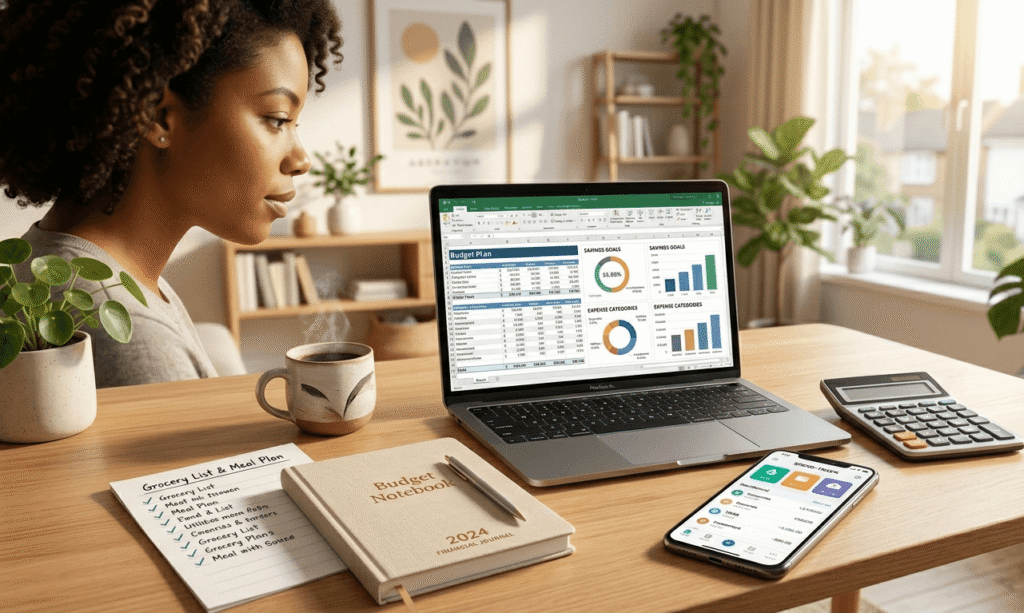
Discover smart lifestyle habits that help save more money, reduce daily expenses, and improve long-term financial stability.
Money problems do not always come from low income. In many cases, they come from unnoticed daily habits. A few unnecessary purchases, forgotten subscriptions, or poor budgeting decisions can slowly damage financial stability over time. The good news is that small improvements in your lifestyle can create powerful long-term savings.
Many people think saving money requires major sacrifices. However, smart financial habits often begin with simple daily choices. Cooking at home more often, reducing electricity use, planning purchases, and avoiding impulse spending are small actions that can make a huge difference.
A healthy lifestyle is not only about physical health. It also includes financial well-being, smart spending, and long-term planning. When people manage money wisely, they reduce stress and gain more freedom in life.
This article explores practical lifestyle changes that help save more money while improving financial discipline and overall quality of life.
Why Small Financial Habits Matter
Small habits may look unimportant at first, but they create long-term results. Spending a little extra money every day may not seem dangerous, yet those expenses grow quickly over months and years.
For example:
- Buying coffee daily
- Ordering unnecessary takeout
- Leaving lights on
- Ignoring discounts
- Paying for unused subscriptions
These habits slowly reduce savings without people noticing. On the other hand, smart financial habits create stability and future security.
Improving your lifestyle through better money management helps:
- Reduce financial stress
- Build emergency savings
- Increase financial freedom
- Improve long-term wealth
- Create disciplined spending habits
Small Daily Habits That Save Money

Track Your Daily Spending
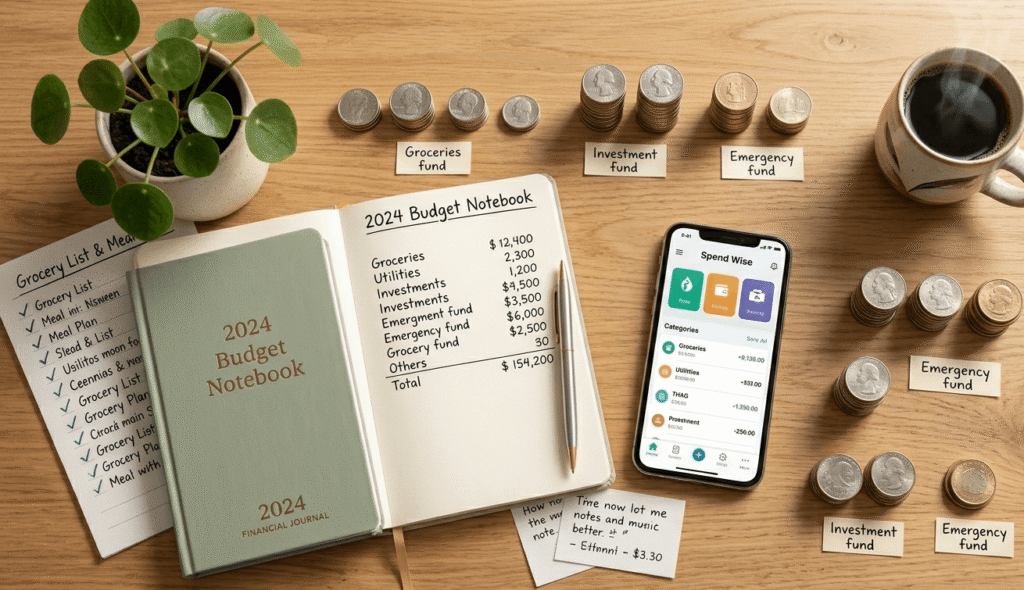
One of the simplest ways to save money is to track expenses. Many people underestimate how much they spend daily.
Use:
- Budgeting apps
- Notes on your phone
- Monthly spreadsheets
- Expense journals
Tracking expenses helps identify spending patterns and unnecessary purchases.
Carry a Shopping List
Going to stores without a plan often leads to impulse buying. A shopping list helps control spending and keeps attention focused on essentials.
This small lifestyle habit prevents waste and improves budgeting discipline.
Cook More Meals at Home
Restaurant meals and food deliveries are convenient but expensive. Preparing meals at home saves significant money over time.
Home cooking also:
- Reduces unhealthy eating
- Limits food waste
- Encourages meal planning
- Supports a healthier lifestyle
Even cooking just three extra meals at home each week can lower monthly expenses noticeably.
Use Reusable Products
Disposable products create repeated costs. Switching to reusable items can reduce long-term spending.
Examples include:
- Reusable water bottles
- Cloth shopping bags
- Rechargeable batteries
- Food storage containers
This habit supports both financial savings and environmental responsibility.
Smart Budgeting Tricks for Everyday Life
Follow the 50/30/20 Rule
A popular budgeting strategy divides income into:
- 50% for needs
- 30% for wants
- 20% for savings and debt payments
This method creates balance while supporting a sustainable lifestyle.
Set Spending Limits
Creating limits for entertainment, shopping, and dining helps prevent overspending.
For example:
- Weekly grocery budget
- Monthly transport budget
- Entertainment spending cap
Clear financial boundaries improve money control.
Save Before Spending
Instead of saving leftover money, save first. Automatically transfer part of your salary into savings immediately after getting paid.
This habit builds consistency and financial discipline.
Smart Shopping Habits That Reduce Expenses

Compare Prices Before Buying
Many people overspend simply because they do not compare prices.
Before purchasing:
- Check online stores
- Compare local prices
- Use discount apps
- Look for seasonal sales
Smart spending is an important part of a balanced lifestyle.
Avoid Emotional Shopping
People often shop when stressed, bored, or emotional. Emotional spending creates unnecessary financial pressure.
Before buying something, ask:
- Do I really need this?
- Can I wait a few days?
- Is there a cheaper option?
This simple pause prevents many impulsive purchases.
Buy Quality Instead of Cheap Products
Cheap products may seem affordable initially but often wear out quickly. Quality items usually last longer and reduce replacement costs.
This applies to:
- Shoes
- Electronics
- Kitchen tools
- Furniture
Long-lasting products support smarter personal finance decisions.
Reducing Electricity and Water Bills
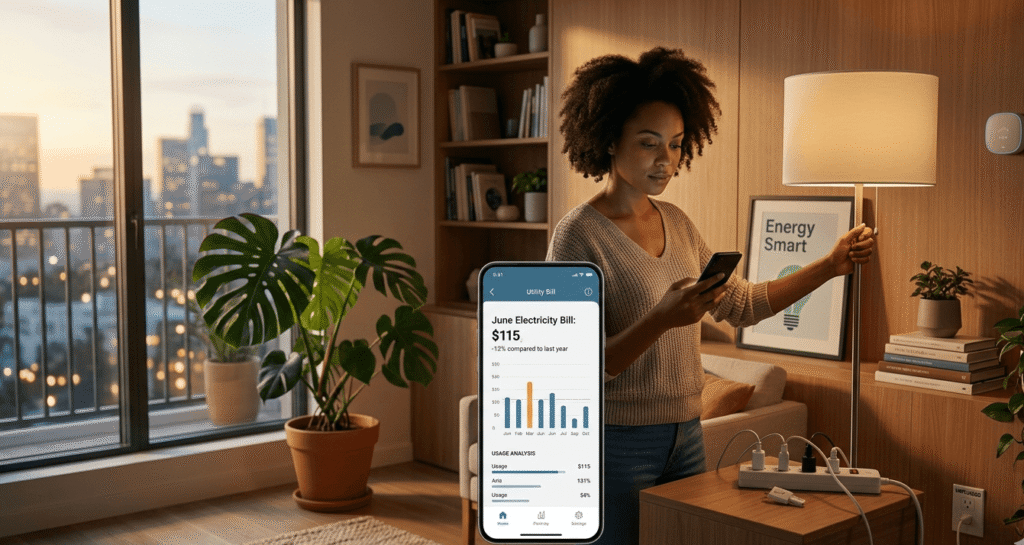
Utility bills consume a large part of monthly income. Fortunately, small changes can reduce these costs significantly.
Turn Off Unused Electronics
Many devices continue using electricity even when not actively used.
Helpful habits include:
- Turning off lights
- Unplugging chargers
- Using energy-saving bulbs
- Switching off appliances
These changes lower electricity costs over time.
Reduce Water Waste
Water-saving habits are simple but effective.
Examples:
- Fix leaking taps
- Take shorter showers
- Turn off water while brushing teeth
- Wash full laundry loads only
A resource-conscious lifestyle reduces both bills and environmental impact.
Saving Money on Food and Transportation
Plan Meals Weekly
Meal planning prevents food waste and unnecessary grocery shopping.
Benefits include:
- Better budgeting
- Healthier eating
- Reduced food delivery spending
- Less waste
Planning meals also saves time during busy weeks.
Use Public Transport When Possible
Fuel and vehicle maintenance costs are increasing globally. Public transport, cycling, or carpooling can reduce transport expenses significantly.
Walking short distances also supports a healthier lifestyle.
Buy Groceries in Bulk Carefully
Bulk shopping works best for frequently used items.
Good bulk purchases include:
- Rice
- Pasta
- Cleaning supplies
- Toiletries
However, avoid bulk buying perishable products that may expire before use.
Digital Subscriptions and Hidden Expenses
Modern life includes many digital services that quietly drain money.
Review Monthly Subscriptions
People often forget about:
- Streaming services
- Gaming subscriptions
- Premium apps
- Cloud storage plans
Cancel services that are rarely used.
Avoid Buy-Now-Pay-Later Traps
Installment payment systems can encourage overspending. While convenient, they sometimes lead to debt accumulation.
Responsible financial habits focus on affordability rather than temporary convenience.
Monitor Banking Fees
Some bank accounts include:
- Transaction fees
- Withdrawal fees
- Maintenance charges
Review financial statements regularly to avoid hidden costs.
Minimalist Lifestyle Benefits
Minimalism focuses on intentional living rather than excessive consumption. A minimalist lifestyle does not mean living without comfort. Instead, it encourages buying only what adds value.
Benefits of Minimalist Living
Lower Spending
People buy fewer unnecessary products.
Reduced Stress
Less clutter creates a calmer environment.
Better Financial Focus
Money goes toward meaningful goals.
More Savings
Reduced consumption increases savings opportunities.
Minimalism helps people understand the difference between wants and needs.
Emergency Savings Habits
Unexpected expenses can happen anytime. Medical bills, job loss, or repairs may create financial pressure without emergency savings.
Start Small
You do not need a huge amount initially. Saving a small amount consistently matters more than waiting for perfect conditions.
Even small weekly contributions grow over time.
Create a Separate Savings Account
Keeping emergency savings separate reduces the temptation to spend it.
Automatic transfers help maintain consistency.
Avoid Touching Emergency Funds
Emergency savings should only be used for real emergencies, not luxury purchases or entertainment.
Smart Lifestyle Decisions for Long-Term Wealth
Learn Financial Skills
Financial education improves decision-making.
Useful skills include:
- Budgeting
- Investing basics
- Debt management
- Saving strategies
Knowledge creates better financial confidence.
Avoid Lifestyle Inflation
As income increases, many people increase spending immediately. This habit prevents long-term wealth growth.
Instead of upgrading everything:
- Increase savings
- Invest carefully
- Pay off debt
- Build financial security
Focus on Long-Term Goals
Smart financial planning supports:
- Home ownership
- Education
- Retirement savings
- Business opportunities
A disciplined lifestyle creates stronger future opportunities.
Advantages and Disadvantages of Money-Saving Habits
Advantages
Better Financial Stability
Saving money creates security during difficult times.
Reduced Stress
Financial discipline lowers anxiety about bills and emergencies.
More Freedom
People gain flexibility for future goals and opportunities.
Improved Spending Awareness
Smart habits help avoid wasteful purchases.
Stronger Emergency Preparedness
Savings provide protection during unexpected situations.
Disadvantages
Requires Discipline
Building good financial habits takes consistency and patience.
Slower Gratification
People may need to delay unnecessary purchases.
Social Pressure
Friends or family may encourage expensive spending habits.
Lifestyle Adjustments
Some changes may feel uncomfortable at first.
Despite these challenges, long-term financial benefits usually outweigh temporary discomfort.
Frequently Asked Questions
How can small lifestyle changes save money?
Small changes reduce unnecessary daily spending. Over time, these savings grow and improve financial stability.
What is the best way to start budgeting?
Start by tracking income and expenses. Then create spending limits for essential and non-essential categories.
Why is meal planning important for saving money?
Meal planning reduces food waste, limits takeout spending, and improves grocery budgeting.
Are subscriptions really a major expense?
Yes. Multiple small subscriptions can quietly consume a large portion of monthly income if left unmanaged.
How much should I save monthly?
The amount depends on income and responsibilities. Even small consistent savings are valuable.
What is the connection between lifestyle and personal finance?
Lifestyle habits directly influence spending, saving, and long-term financial health. Smart choices improve financial stability.
Conclusion
Saving money does not always require extreme sacrifices. In many cases, simple daily improvements create the biggest long-term results. Small habits such as budgeting carefully, reducing waste, avoiding impulse purchases, and planning expenses help build financial security gradually.
A smart lifestyle focuses on intentional decisions rather than careless spending. Financial discipline may feel challenging initially, but consistency creates lasting rewards. Over time, these small changes reduce stress, improve stability, and create better opportunities for the future.
The journey toward better financial health starts with one simple decision today. Small actions repeated consistently can completely transform your financial lifestyle and help you build a more secure and comfortable life.