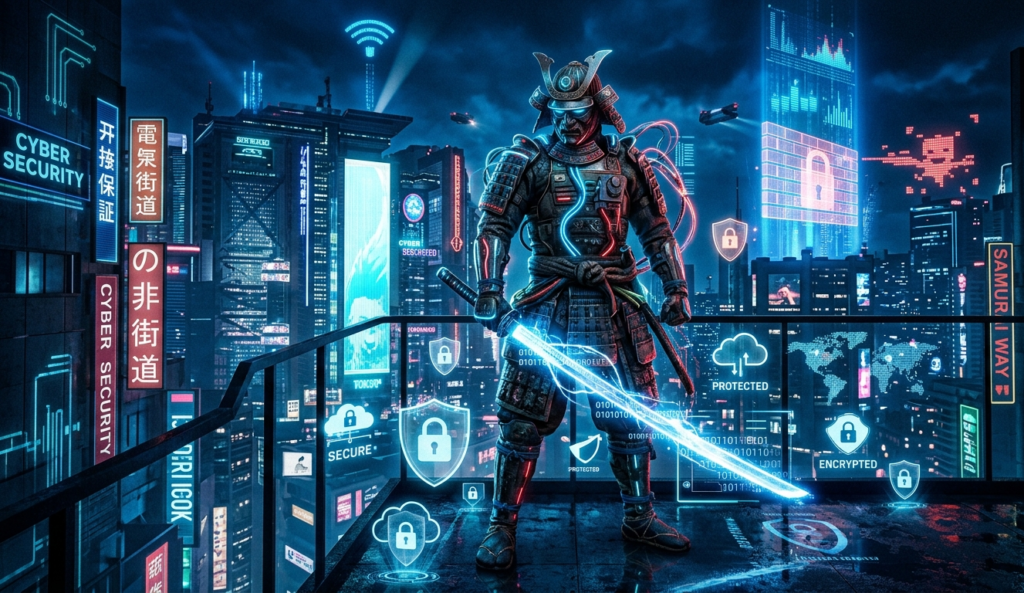
Learn cyber security the Samurai Way. Discover threats, protection tips, advantages, best practices, and future trends in digital security.
In today’s digital world, cyber security has become one of the most important aspects of modern life. From personal smartphones to international business systems, almost everything depends on internet-connected technology. While this digital transformation creates convenience and innovation, it also introduces serious risks such as data theft, online scams, ransomware, and privacy violations.The concept of “Cyber Security: The Samurai Way” combines traditional Samurai principles such as discipline, awareness, preparation, loyalty, and defense with modern digital protection strategies. Just as Samurai warriors protected their territory with skill and strategy, internet users today must protect their digital lives from cyber threats.This article explores cyber security in detail, including its importance, common threats, best practices, benefits, disadvantages, future trends, and practical safety tips for individuals and businesses worldwide.What Is Cyber Security?Cyber security refers to the practice of protecting computers, networks, devices, and data from unauthorized access, cyberattacks, and digital damage. It includes technologies, processes, and strategies designed to keep information safe from criminals, hackers, and malicious software.Cyber security is important for:Personal Privacy financial Protection business Continuity national Security online communication Safety without strong cyber security, sensitive information can easily fall into the wrong hands.Why Cyber Security Matters Today the internet is deeply connected to modern life. People use digital platforms for banking, shopping, communication, healthcare, education, and entertainment. As technology grows, cybercriminals continue developing new methods to exploit weaknesses.Cyber security matters today because:Increased Online ActivityMillions of people work remotely and store information online. This creates more opportunities for cyberattacks.Rising CybercrimeCybercrime has become a global problem affecting individuals, companies, and governments.Financial RisksData breaches and online fraud can lead to significant financial losses.Privacy ProtectionPersonal information such as passwords, photos, and banking details must remain protected.Business ReputationA cyberattack can damage customer trust and harm a company’s reputation.The Samurai Way Philosophy in Cyber SecurityThe Samurai Way symbolizes discipline, honor, preparation, and strategic defense. These principles apply perfectly to cyber security.DisciplineStrong cyber security requires consistent habits such as updating passwords, avoiding suspicious links, and maintaining secure systems.AwarenessSamurai warriors remained alert at all times. Similarly, internet users must stay aware of phishing scams, malware, and suspicious online activity.PreparationCyber security is not only about reacting to attacks. It also involves preparing systems before problems occur.Defense Before AttackThe Samurai philosophy focused on defense and protection. In cyber security, prevention is always better than recovery.Continuous LearningCyber threats constantly evolve. Learning about digital safety is essential for long-term protection.Types of Cyber Security Threats understanding cyber threats helps users stay prepared.MalwareMalware is harmful software designed to damage systems or steal information. Examples include viruses, worms, and spyware.Phishing Attacked phishing occurs when criminals trick users into revealing sensitive information through fake emails or websites.RansomwareRansomware locks files or systems until money is paid to the attacker.Identity Theft cyber criminals may steal personal details to commit fraud or impersonate victims.Password Attacks weak passwords make it easier for attackers to access accounts.Social Engineering this technique manipulates people into sharing confidential information.Data Breaches hackers may gain unauthorized access to sensitive databases containing personal or business information.Best Cyber Security Practice strong cyber security habits can significantly reduce risks.Use Strong Passwords create passwords using letters, numbers, and special characters. Avoid simple or predictable passwords.Enable Two-Factor Authentication authentication adds an extra layer of protection beyond passwords.Keep Software Update updates often include important security fixes that protect against vulnerabilities.Avoid Suspicious Links never click unknown links or download files from untrusted sources.Use Antivirus Software reliable security software helps detect and remove threats.Backup Important Data regular backups protect information in case of ransomware or hardware failure.Secure Wi-Fi Networks use strong passwords for internet connections and avoid unsecured public networks.Educate Employees and Family Members cyber security awareness is essential for everyone using digital devices.Cyber Security for Individual individuals face many online threats daily. Personal cyber security practices help protect privacy and financial information.Protect Personal Devices smartphones, tablets, and computers should have updated security systems.Be Careful on Social MediaAvoid sharing excessive personal information publicly.Monitor Financial AccountsRegularly check bank accounts for suspicious activity.Use Secure WebsitesWebsites with HTTPS encryption provide safer browsing experiences.Limit App PermissionsOnly allow applications to access necessary information.Cyber Security for BusinessesBusinesses rely heavily on digital systems, making cyber security essential.Employee TrainingWorkers should understand how to identify cyber threats.Data Protection PoliciesClear policies help secure customer and company information.Cloud SecurityBusinesses using cloud storage must ensure strong security configurations.Incident Response PlansCompanies should prepare strategies for handling cyber incidents.Access ControlEmployees should only access information relevant to their responsibilities.Real-World Examples of Cyber Security ChallengesCyber threats affect organizations and individuals worldwide.Data BreachesMajor companies have experienced data leaks exposing customer information.Banking FraudCybercriminals frequently target online banking systems and digital payments.Healthcare AttacksHospitals and medical systems have faced ransomware attacks that disrupted services.Social Media ScamsFake accounts and fraudulent messages continue affecting users globally.These examples highlight the importance of strong cyber security measures.Common Mistakes People Make OnlineMany cyber incidents happen because of avoidable mistakes.Using Weak PasswordsSimple passwords are easy for attackers to guess.Ignoring Software UpdatesOutdated software may contain security vulnerabilities.Clicking Unknown LinksScam emails often trick users into downloading malware.Reusing PasswordsUsing the same password across multiple accounts increases risk.Oversharing OnlinePublicly sharing personal information can attract cybercriminals.Advantages of Cyber SecurityCyber security offers many benefits for individuals and organizations.Data ProtectionSensitive information remains secure from unauthorized access.Financial SecurityStrong protection reduces risks of fraud and financial theft.Business ContinuitySecure systems help businesses operate without disruption.Improved Customer TrustCustomers prefer companies that protect their information responsibly.Better PrivacyCyber security safeguards personal communications and digital identity.Disadvantages of Cyber SecurityDespite its importance, cyber security also has challenges.Implementation CostsAdvanced security systems can be expensive.ComplexityManaging cyber security requires technical knowledge and regular maintenance.Constant UpdatesThreats evolve rapidly, requiring continuous monitoring.User RestrictionsSecurity measures may sometimes reduce convenience.False Sense of SecurityEven strong systems cannot guarantee complete protection.The Future of Cyber SecurityCyber security will continue evolving alongside technology.Artificial Intelligence in SecurityAI systems help detect unusual activity and potential threats faster.Increased Cloud SecurityAs businesses move to cloud platforms, cloud protection will become more advanced.Internet of Things SecurityConnected devices such as smart homes require stronger security systems.Biometric AuthenticationFingerprint and facial recognition technologies are becoming more common.Cyber Security CareersDemand for skilled cyber security professionals continues growing worldwide.Tips for Staying Safe OnlineSimple habits can greatly improve online safety.Think Before ClickingVerify emails and links before opening them.Update Devices RegularlyKeep operating systems and applications updated.Use Password ManagersPassword managers help create and store secure passwords.Avoid Public Wi-Fi for Sensitive ActivitiesPublic networks may expose private information.Backup Files FrequentlyStore backups in secure locations.Learn About Cyber ThreatsAwareness is one of the strongest forms of protection.Cyber Security and Digital ResponsibilityCyber security is not only about technology. It also involves responsibility and ethical behavior online.People should:Respect digital privacyAvoid sharing false informationUse technology responsiblySupport secure online environmentsThe Samurai mindset teaches responsibility, discipline, and respect, which are valuable principles for the digital age.FAQ SectionWhat is cyber security in simple words?Cyber security is the protection of digital devices, networks, and information from hackers, viruses, and online threats.Why is cyber security important?Cyber security protects personal information, financial data, businesses, and online systems from attacks and unauthorized access.What are common cyber threats?Common threats include malware, phishing, ransomware, identity theft, and data breaches.How can I improve my cyber security?Use strong passwords, enable two-factor authentication, update software regularly, and avoid suspicious links.What does “The Samurai Way” mean in cyber security?It represents discipline, awareness, preparation, and defense strategies used to protect digital systems.Can small businesses benefit from cyber security?Yes. Small businesses are frequent targets of cyberattacks and need strong security measures.Is cyber security only for experts?No. Everyone who uses the internet should practice basic cyber security habits.ConclusionCyber security is no longer optional in the modern digital world. As technology continues evolving, cyber threats are becoming more advanced and widespread. Protecting personal information, business systems, and online communication requires discipline, awareness, and continuous learning.The concept of “Cyber Security: The Samurai Way” reminds us that digital protection is similar to the mindset of a skilled warrior. Preparation, focus, and smart defensive strategies help create a safer online environment for everyone.Whether you are an individual user, a student, a business owner, or a professional, adopting strong cyber security habits today can prevent major problems tomorrow.