


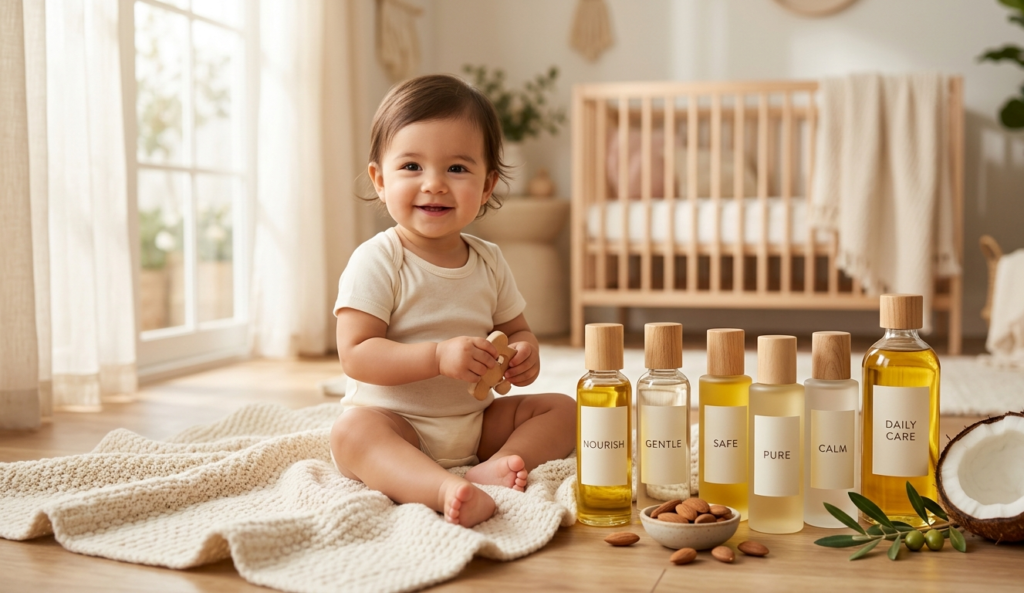
Discover the best baby oils for toddlers, including safe ingredients, benefits, risks, and expert tips for healthy, soft skin.
Toddler skin is delicate, soft, and still developing. Even though children between 1 and 3 years old are no longer newborns, their skin can still lose moisture quickly and react to harsh products. That is why choosing the best baby oils matters so much.
A good baby oil can help keep skin smooth, hydrated, and comfortable. It may also support gentle massage after bath time and help protect the skin from dryness, especially in hot weather, cold weather, or dry indoor air. However, not every oil is safe for every child. Some oils are too heavy, too fragrant, or too likely to irritate sensitive skin.
This guide explains the best baby oils for toddlers, how to choose them, how to use them safely, and what to avoid. It is written to help parents, caregivers, and website readers understand toddler skincare in a simple and practical way.
Why Toddler Skin Needs Special Care
Toddler skin is thinner and more sensitive than adult skin. It can lose water more easily, which makes dryness, rough patches, and irritation more common. Toddlers also explore the world with their hands, so their skin often comes into contact with dirt, soap, heat, and different fabrics.
Because of this, gentle skincare is important. Harsh soaps, strong fragrances, and low-quality oils can cause redness or dryness. The best baby oils Best Baby Oils toddlers should support the skin barrier, not overwhelm it. They should be simple, mild, and suitable for everyday use.
A good oil should not just make skin feel soft for a few minutes. It should help lock in moisture and protect the skin after bathing or during massage.
Types of Baby Oils
There are different types of oils used in toddler skincare. Understanding them helps you choose the right one.
Natural oils
Natural oils are plant-based oils that many families prefer because they are simple and often free from unnecessary additives. Popular examples include coconut oil, almond oil, olive oil, and jojoba oil.
These oils may be helpful for moisturizing, but they are not all the same. Some are lighter, some are richer, and some may not suit sensitive skin. That is why patch testing is important.
Mineral oils
Mineral oil is a highly refined oil often used in baby products. Some parents avoid it because it is not plant-based, but it can still be a good moisturizer when it is purified and made for baby care. It helps seal moisture into the skin and can be especially useful for dry skin.
High-quality mineral oil used in baby products is usually fragrance-free and gentle. It can be a practical option for toddlers with normal to dry skin.
Dermatologist-tested baby oils
These are products tested for skin safety and designed for sensitive skin. They may combine mild oils with simple ingredients and are often a smart choice for toddlers. Dermatologist-tested baby oils are useful because they are made with infant and child skin in mind.
Still, “tested” does not mean every product works for every child. Reading the ingredient list is always important.
Best Baby Oils for Toddlers
Below are some of the best baby oils for toddlers and why they are commonly recommended.
- Coconut oil
Coconut oil is one of the most popular natural oils for baby and toddler skin. It is rich, soft, and easy to find. Many parents like it because it spreads well and feels soothing on dry areas.
Why it can be good for toddlers: It may help soften rough skin, support moisture retention, and calm mild dryness. It is often used after a bath or for light massage.
Important note: Some toddlers may react to coconut oil, especially if they have very sensitive skin or an allergy history. Always test a small area first. - Almond oil
Sweet almond oil is another well-known option. It is lightweight, smooth, and often used in baby massage oils. It absorbs well and can leave the skin feeling silky.
Why it can be good for toddlers: It is often chosen for daily moisturizing and massage because it is gentle and easy to apply. It may be especially useful for dry arms, legs, and elbows.
Important note: Do not use almond oil if your child has a nut allergy or if you are unsure about allergy risk. When in doubt, ask a healthcare professional. - Olive oil
Olive oil is a common household oil, and many people use it for skincare because it is rich and affordable. It can help soften dry skin and lock in moisture.
Why it can be good for toddlers: It may be helpful for very dry skin in small amounts. It can also be used in simple home skincare routines.
Important note: Olive oil may feel heavy on some toddlers’ skin. In some children, especially those with sensitive skin, it may not be the best choice for frequent use. A small patch test is wise. - Jojoba oil
Jojoba oil is often valued because it is light, gentle, and similar to the skin’s natural oils. It usually feels less greasy than some other oils.
Why it can be good for toddlers: It may be a smart option for children who do not like heavy oils. It is often used for light moisturizing and gentle massage.
Important note: Even though jojoba oil is considered mild, any oil can cause irritation in some children. Test it first. - Mineral oil baby oil
A high-quality baby oil made with mineral oil can be a very useful option. It is usually designed to protect skin by creating a barrier that helps hold in moisture.
Why it can be good for toddlers: It works well after bathing, especially for children with dry skin. It is often fragrance-free and easy to use.
Important note: Choose a baby product from a trusted brand and avoid added perfumes or strong extras if your toddler has sensitive skin. - Dermatologist-tested fragrance-free baby oil
For many families, the best baby oils are not single-ingredient oils but carefully made baby oils that are dermatologist-tested and fragrance-free. These products are made specifically for delicate skin and may be less risky than many homemade mixtures.
Why it can be good for toddlers: It may be the safest and easiest choice for everyday use, especially for children with sensitive or dry skin.
Important note: Always check the label for fragrance, dyes, and unnecessary additives.
Benefits of Using Baby Oils
Using the best baby oils in the right way can bring several benefits.
Moisturizing
Baby oils help reduce moisture loss after bathing. This can keep toddler skin soft and comfortable, especially in dry climates or during winter.
Skin protection
A light layer of oil can act as a barrier and protect the skin from dryness caused by wind, soap, or air conditioning.
Soothing irritation
Some oils may help calm mild dryness and roughness. They are not medicine, but they can support comfort when skin feels tight or flaky.
Supporting healthy skin development
Healthy skin care habits start early. Gentle oils can help keep the skin barrier strong and teach a simple routine that supports long-term skin health.
Disadvantages and Risks
Even the best baby oils are not perfect for every child. There are some risks to consider.
Possible allergies
A toddler may be sensitive to coconut, almond, or another ingredient. Signs of a reaction can include redness, itching, swelling, or a rash.
Overuse issues
Using too much oil can make skin feel sticky or clog pores in some children. A small amount is usually enough.
Low-quality product risks
Some oils contain added fragrance, color, or harsh ingredients. These may irritate sensitive skin. Low-quality products may also be poorly refined or not suitable for children.
How to Choose the Best Baby Oil
Choosing the right oil does not need to be difficult. Focus on simple, gentle ingredients.
Ingredients to look for
Look for fragrance-free products, dermatologist-tested labels, and simple ingredient lists. Good choices often contain coconut oil, jojoba oil, mineral oil, or other mild emollients.
Ingredients to avoid
Try to avoid strong perfumes, essential oils, artificial colors, and products with many unnecessary additives. These can irritate toddler skin.
Tips for sensitive skin
If your child has eczema, frequent rashes, or very dry skin, choose fragrance-free and gentle options. A plain, mild oil is often better than a heavily scented one.
How to Use Baby Oil Safely
Using baby oil correctly is just as important as choosing the right one.
Proper application methods
Apply a small amount to clean, dry, or slightly damp skin. Massage gently with your hands. You do not need a thick layer. A little oil often goes a long way.
Best time to use
The best time is usually after a bath, when the skin is still slightly damp. This helps trap moisture. Baby oil can also be used during a gentle massage or on dry patches as needed.
How often to use
Many toddlers only need baby oil once a day or a few times per week. Some children with dry skin may benefit from more regular use, but overuse should be avoided.
Safety Tips
Safety should always come first when using skincare products for toddlers.
Patch testing
Before using any new oil widely, apply a small amount to a small area of skin and wait 24 hours. If there is redness or irritation, stop using it.
Avoiding harmful chemicals
Choose products made for children and avoid oils with strong chemicals, alcohol-heavy formulas, or irritating fragrances.
Storage advice
Keep baby oil in a cool, dry place and close the cap tightly after use. Store it out of reach of children to prevent spills or accidental ingestion.
Frequently Asked Questions
What is the best baby oil for toddlers?
The best baby oils for toddlers are usually gentle, fragrance-free, and designed for sensitive skin. Popular choices include coconut oil, jojoba oil, mineral oil baby products, and dermatologist-tested fragrance-free oils.
Is coconut oil safe for toddlers?
Coconut oil is often safe for many toddlers, but not for all. Some children may be sensitive to it. A patch test is always recommended before regular use.
How often should I use baby oil?
You can use baby oil after bathing or a few times a week, depending on your toddler’s skin needs. Children with dry skin may need it more often, but too much can feel greasy.
Can baby oil cause allergies?
Yes, baby oil can cause allergies or skin irritation in some children. This is why it is important to check ingredients and test a small area first.
Which oils should be avoided?
Avoid oils with strong fragrance, artificial color, or unnecessary additives. Also be careful with any oil that may trigger an allergy in your child.
Is olive oil good for toddler skin?
Olive oil may help with dryness, but it does not suit every child. Some toddlers may find it too heavy or irritating, so use it carefully.
Should I use baby oil on eczema-prone skin?
Only use baby oil on eczema-prone skin if it is mild, fragrance-free, and tolerated by your child. For ongoing eczema, it is best to follow medical advice.
Conclusion
Choosing the best baby oils for toddlers means looking for gentle, safe, and simple products that support delicate skin. Coconut oil, almond oil, olive oil, jojoba oil, mineral oil baby products, and dermatologist-tested fragrance-free oils are all common options, but the best choice depends on your child’s skin type and sensitivity.
For most toddlers, the safest approach is to choose a fragrance-free product, patch test first, and use only a small amount after bathing. Avoid products with harsh ingredients or strong perfumes. If your toddler has very sensitive skin, eczema, or frequent reactions, it is wise to speak with a pediatrician or dermatologist before using any new oil.
A good baby oil can help keep toddler skin soft, comfortable, and protected. The key is not just picking a popular product, but choosing the right one for your child’s needs.